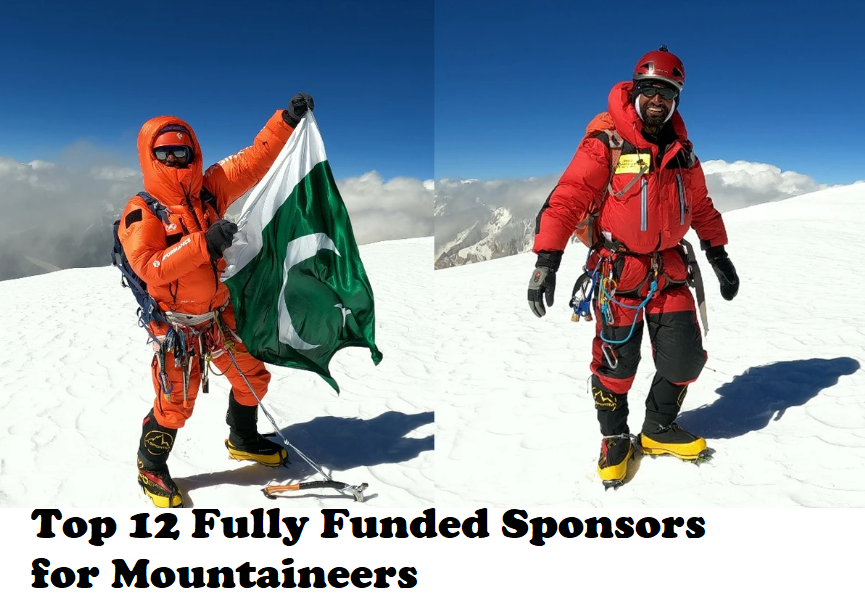
Introduction: Why Funding Is the Hardest Part of Mountaineering
Standing on a summit is the reward. Getting there is expensive. A single Himalayan expedition can cost thousands of dollars once you add permits, flights, porters, guides, oxygen, insurance, and technical gear. For many talented climbers, funding, not fitness, is the biggest barrier.
The good news is that a global network of grants, foundations, and brands supports mountaineers every year. The honest news is that truly “fully funded” sponsorships are rare. Most programs cover part of your costs through cash grants, gear, or both. The most successful climbers stack several sources together until the expedition is fully covered.
This guide covers 12 of the best sponsors and funding bodies for mountaineers, what each offers, who should apply, and how to improve your chances. Always check each official website for the latest deadlines, since criteria change from year to year.
How Mountaineering Sponsorship Actually Works
There are three main types of support:
- Expedition grants: Cash awards from clubs and foundations, usually for specific trips with a clear objective.
- Gear sponsorship: Free or discounted equipment (jackets, boots, tents, ropes) from outdoor brands.
- Athlete or ambassador programs: Ongoing relationships where a brand supports you with gear, cash, or travel in exchange for content, storytelling, and exposure.
Grants reward objectives, ethics, and benefit to the climbing community. Brands reward audience, storytelling, and professionalism. Knowing which you are pitching changes how you write your application.
The 12 Best Sponsors and Funding Bodies
1. American Alpine Club (AAC) Grants
Best for: North American climbers, from emerging to elite
Link: americanalpineclub.org
The American Alpine Club is one of the most respected funders of climbing in the world. Its grant programs include the Live Your Dream Grant (supporting women climbers), the Cutting Edge Grant (for bold, innovative objectives), and the Mugs Stump Award, which supports small-team, light-and-fast alpine ascents.
Why it ranks first: The AAC grants are well established, transparent, and credible. A grant from the AAC also strengthens your profile when approaching gear brands later.
What you get: Cash grants that can significantly offset travel and logistics costs.
Tip: Show a clear plan, a realistic budget, and evidence of relevant experience. Reviewers favor well-prepared teams with a defined objective.
2. Mount Everest Foundation (MEF)
Best for: UK and Commonwealth expeditions, especially exploratory trips
Link: mef.org.uk
Despite the name, the Mount Everest Foundation supports expeditions to mountains and remote regions all over the world. It was founded after the 1953 first ascent of Everest, with a mission to fund exploration, science, and adventure.
What you get: Grants for expeditions that show strong objectives, sound planning, and benefit to the mountaineering community, such as published reports or new route information.
Tip: The MEF values exploration and the sharing of knowledge. Promise a detailed post-expedition report and keep your promise.
3. British Mountaineering Council (BMC) Grants
Best for: UK-based climbers and mountaineers
Link: thebmc.co.uk
The BMC supports climbers through several grant and award schemes, many in partnership with other organizations, aimed at expeditions, young climbers, and women in mountaineering.
What you get: Financial support toward expedition costs, plus credibility and access to the BMC network.
Tip: Membership usually helps. Review eligibility rules carefully, as some grants target specific groups such as young climbers or women.
4. Shipton Tilman Grant
Best for: Small, self-reliant, adventurous expeditions
Link: shiptontilman.org
Named after legendary explorers Eric Shipton and Bill Tilman, this grant supports small, lightweight expeditions that capture the spirit of true exploration. It rewards teams that go places with minimal fuss and maximum creativity.
What you get: A cash award and recognition within the exploration community.
Tip: Emphasize adventure, independence, and a small footprint. Large, commercial-style expeditions are not the target here.
5. Alpine Club of Canada (ACC)
Best for: Canadian climbers and mountain adventurers
Link: alpineclubofcanada.ca
The Alpine Club of Canada has a long history of supporting mountaineering through its sections, huts, programs, and awards. It is a good place to find funding and community, particularly for climbers working in the Canadian Rockies and beyond.
What you get: Access to club programs, grants, and mentorship opportunities that can help fund development and expeditions.
Tip: Get involved in your local section first. Active members who contribute to the community have a stronger case.
6. National Geographic Society Grants
Best for: Expeditions with a science, conservation, or storytelling angle
Link: nationalgeographic.org/society/grant-opportunities
National Geographic funds explorers, scientists, storytellers, and educators. Mountaineers do not receive money simply for climbing, but if your expedition includes glacier research, climate monitoring, cultural documentation, or powerful photography and film, this is a high-prestige option.
What you get: Substantial funding for projects that fit the Society’s mission, plus global visibility.
Tip: Pair your climb with a meaningful project, such as measuring glacial retreat or documenting local mountain communities.
7. The North Face Athlete Team
Best for: Established, high-profile climbers with an audience
Link: thenorthface.com
The North Face has supported mountaineers for decades, from Himalayan expeditions to alpine firsts. Athletes typically receive gear, contracts, and project support, depending on their level and storytelling reach.
What you get: Technical apparel and equipment, and for top athletes, financial and expedition support.
Tip: Brands want athletes who tell compelling stories. Build a professional portfolio of photos, video, and social content before you reach out.
8. Patagonia Ambassador Program
Best for: Climbers who combine adventure with environmental advocacy
Link: patagonia.com
Patagonia is known for its commitment to environmental causes, and its ambassadors reflect that. The brand looks for athletes who are not only skilled but also authentic voices for conservation and responsible adventure.
What you get: Gear support and a partnership built around shared values.
Tip: Show a genuine record of environmental involvement. Patagonia is unlikely to be impressed by a token gesture.
9. Black Diamond Athlete Program
Best for: Technical alpine climbers, ice climbers, and ski mountaineers
Link: blackdiamondequipment.com
Black Diamond builds climbing, mountaineering, and ski gear, and its athlete team includes many of the best alpine climbers in the world. The brand values technical excellence and product feedback.
What you get: Equipment support and, for top athletes, further backing for projects.
Tip: Show you can test and give useful feedback on products. Brands value athletes who help them improve their gear.
10. Arc’teryx Athlete Support
Best for: Alpine climbers working at a high technical level
Link: arcteryx.com
Arc’teryx is known for premium alpine apparel, and its athlete program focuses on climbers who push the sport forward. The brand also runs initiatives that celebrate alpine culture.
What you get: High-end technical clothing and, for selected athletes, project support.
Tip: Quality over quantity. A short, well-documented list of serious ascents beats a long list of easy objectives.
11. Mammut Pro Team and Project Support
Best for: Alpine, ski-mountaineering, and big-wall climbers
Link: mammut.com
The Swiss brand Mammut has deep roots in alpine climbing and has long backed professional mountaineers. Its team and project support reflect a commitment to alpine performance and safety.
What you get: Gear, safety equipment, and support tied to specific objectives.
Tip: Mammut’s identity centers on alpine safety and innovation. Demonstrate mountain awareness and a safety-first mindset in your pitch.
12. Red Bull Athlete Program
Best for: Elite athletes with exceptional achievements and media appeal
Link: redbull.com
Red Bull sponsors some of the world’s boldest adventurers, including climbers, high-altitude mountaineers, and extreme sports athletes. It is one of the most competitive programs, but also one of the most generous for those who qualify.
What you get: Comprehensive support, which can include funding, media production, and logistics for ambitious projects.
Tip: This is a long-term goal. Build an exceptional record and a strong media presence first, then approach with a clear, high-impact project.
Quick Comparison: Which Sponsor Fits You?
| Sponsor | Type | Best For |
| American Alpine Club | Grant | North American climbers |
| Mount Everest Foundation | Grant | Exploratory expeditions |
| BMC | Grant | UK climbers |
| Shipton Tilman Grant | Grant | Small, adventurous trips |
| Alpine Club of Canada | Club/Grant | Canadian climbers |
| National Geographic | Grant | Science and storytelling projects |
| The North Face | Brand | Established athletes |
| Patagonia | Brand | Environmentally minded climbers |
| Black Diamond | Brand | Technical alpinists |
| Arc’teryx | Brand | High-level alpine climbers |
| Mammut | Brand | Alpine and ski mountaineers |
| Red Bull | Brand | Elite, media-ready athletes |
How to Win Mountaineering Sponsorship: 10 Proven Tips
- Start small and build a track record. Sponsors rarely fund beginners. Document your progression from local peaks to bigger objectives.
- Define a clear, specific objective. “Climb a big mountain” is vague. “First alpine-style ascent of a named route on a named peak” is compelling.
- Build a realistic budget. Break down every cost, including permits, flights, insurance, food, and gear. Reviewers notice careful planning.
- Tell a story, not just a plan. Why this mountain? Why you? Why now? Stories stick in the minds of selection panels.
- Create quality content. Brands buy audience and storytelling. Invest in good photography, video, and writing.
- Grow an authentic online presence. Followers are not everything, but an engaged community on Instagram, YouTube, or a blog shows you can deliver exposure.
- Offer something in return. Provide trip reports, product testing, talks, social posts, or conservation work.
- Stack multiple sources. Combine a grant, a gear sponsor, and crowdfunding. Few expeditions are covered by a single source.
- Follow the rules and deadlines. Many applications fail because of missed deadlines or incomplete forms.
- Say thank you and deliver. Submit your report, credit your sponsors, and keep in touch. Reliability gets you funded again.
Common Mistakes to Avoid
- Sending mass, generic emails. Personalize every pitch to the sponsor’s values.
- Be honest about the risks and your chances of success.
- Ignoring safety and ethics. Sponsors want to back responsible climbers who respect the mountain and local communities.
- Asking only for money. Present a partnership, not a request for charity.
- Giving up after one rejection. Many successful climbers were turned down several times before getting their first grant.
Alternative Funding Sources
If you do not yet qualify for the programs above, consider these options:
- Crowdfunding: Platforms such as Kickstarter and GoFundMe work well when you have a compelling story and an engaged audience.
- Local clubs and businesses: Community support can cover smaller costs, and it builds your reputation.
- Guiding and instructing: Earn money in the mountains while building credentials.
- Public speaking and slideshows: Share previous expeditions for a fee or donation.
- Content monetization: YouTube, blogging, and photography sales can create steady income.
Frequently Asked Questions
Are there fully funded mountaineering expeditions?
Fully funded expeditions are uncommon. Most grants and sponsors cover part of the cost, so climbers usually combine several sources. Elite athletes with major brand contracts may have most costs covered, but this is the exception.
How do I get sponsored as a mountaineer?
Build a strong climbing record, create quality content, define a clear objective, and approach sponsors whose values match yours. Start with grants from clubs and foundations, then move toward brand partnerships.
Do I need to be famous to get a climbing grant?
No. Many grants, such as those from the American Alpine Club or Mount Everest Foundation, are based on the merit of the objective and the quality of the plan, not fame.
How much money can I get from a climbing grant?
Amounts vary widely by program and year. Some grants provide modest contributions toward costs, while others are more substantial. Check each organization’s website for current figures.
When should I apply?
Apply well ahead of your expedition. Many grant deadlines fall months before departure, so plan at least a year in advance for major trips.
Can beginners get sponsored?
Rarely by major brands, but some local clubs and development grants support emerging climbers. Focus on building experience and a track record first.
Conclusion: Turn Your Climbing Dream into a Funded Reality
Funding a mountaineering expedition takes planning, persistence, and a compelling story. While a single “fully funded” sponsor is rare, the 12 organizations above offer real pathways to support your climbing ambitions, from established grants like the American Alpine Club and Mount Everest Foundation to gear and athlete programs from brands like The North Face, Patagonia, Black Diamond, Arc’teryx, Mammut, and Red Bull.
Start by choosing two or three that fit your level and goals. Build a strong application, deliver on your promises, and keep climbing. Every summit starts with a first step, and for many mountaineers, that step is a well-written funding proposal.